
Paper List
-
A Unified Variational Principle for Branching Transport Networks: Wave Impedance, Viscous Flow, and Tissue Metabolism
This paper solves the core problem of predicting the empirically observed branching exponent (α≈2.7) in mammalian arterial trees, which neither Murray...
-
Household Bubbling Strategies for Epidemic Control and Social Connectivity
This paper addresses the core challenge of designing household merging (social bubble) strategies that effectively control epidemic risk while maximiz...
-
Empowering Chemical Structures with Biological Insights for Scalable Phenotypic Virtual Screening
This paper addresses the core challenge of bridging the gap between scalable chemical structure screening and biologically informative but resource-in...
-
A mechanical bifurcation constrains the evolution of cell sheet folding in the family Volvocaceae
This paper addresses the core problem of why there is an evolutionary gap in species with intermediate cell numbers (e.g., 256 cells) in Volvocaceae, ...
-
Bayesian Inference in Epidemic Modelling: A Beginner’s Guide Illustrated with the SIR Model
This guide addresses the core challenge of estimating uncertain epidemiological parameters (like transmission and recovery rates) from noisy, real-wor...
-
Geometric framework for biological evolution
This paper addresses the fundamental challenge of developing a coordinate-independent, geometric description of evolutionary dynamics that bridges gen...
-
A multiscale discrete-to-continuum framework for structured population models
This paper addresses the core challenge of systematically deriving uniformly valid continuum approximations from discrete structured population models...
-
Whole slide and microscopy image analysis with QuPath and OMERO
使QuPath能够直接分析存储在OMERO服务器中的图像而无需下载整个数据集,克服了大规模研究的本地存储限制。
Real-time Cricket Sorting By Sex A low-cost embedded solution using YOLOv8 and Raspberry Pi
Illinois Institute of Technology, Chicago, Illinois | Universidad Politécnica de Madrid, Madrid, Spain
30秒速读
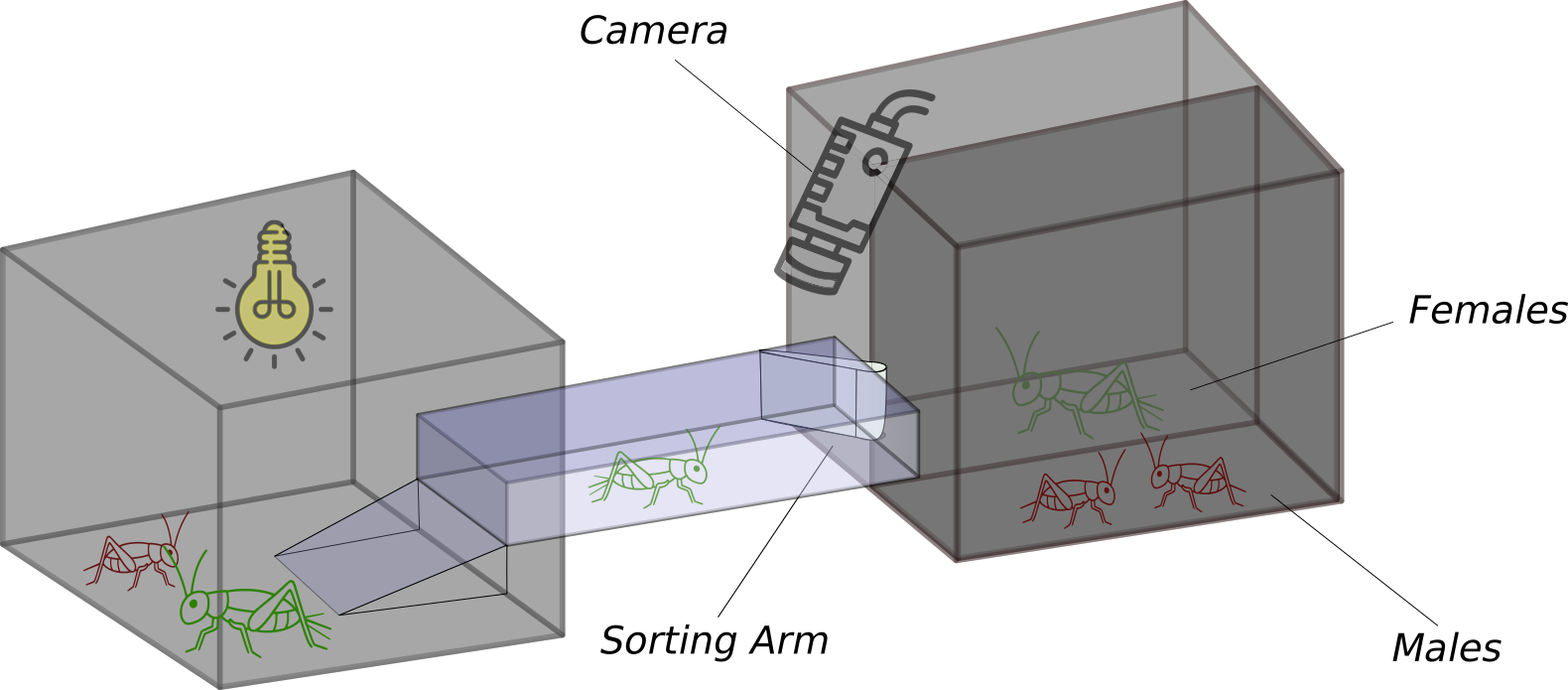
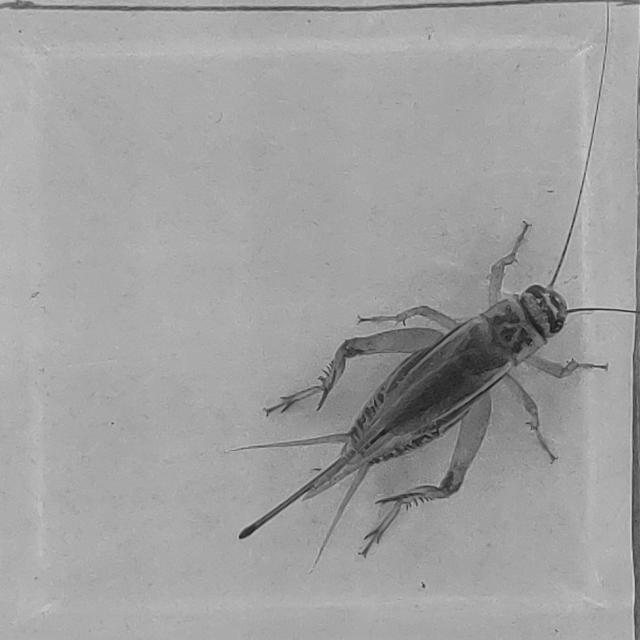
IN SHORT: This paper addresses the critical bottleneck in industrial insect farming: the lack of automated, real-time sex sorting systems for Acheta domesticus crickets, which is essential for selective breeding, optimized reproduction ratios, and nutritional differentiation.
核心创新
- Methodology First integrated system combining embedded computer vision (YOLOv8 nano) with physical actuation for real-time cricket sex sorting, achieving 86.8% overall sorting accuracy.
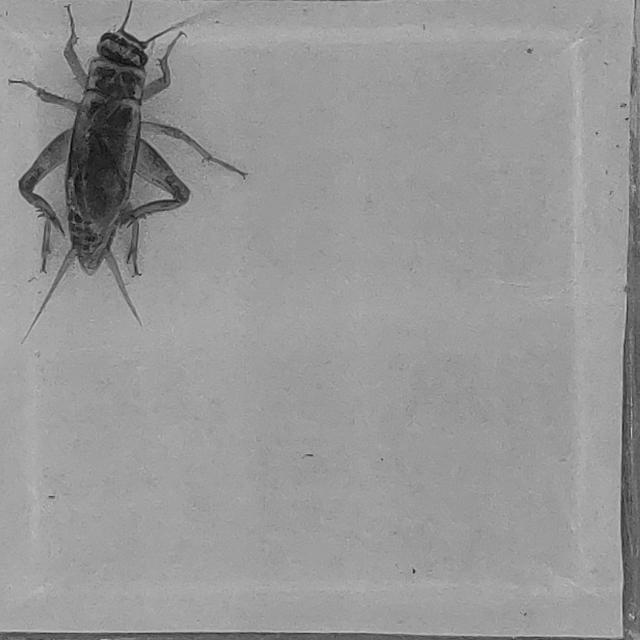
- Methodology Development of a custom balanced dataset (597 training images) with controlled illumination variability and data augmentation, achieving mAP@0.5 of 0.977 with minimal misclassification (2.3% for females, 2.7% for males).
- Biology Quantitative analysis revealing sex-dependent behavioral differences: males move faster (median 39.5 mm/s vs 18.8 mm/s for females) and are more sensitive to actuator noise, affecting sorting efficiency under different stress conditions.
主要结论
- The system achieved 86.8% overall sorting accuracy across four experiments, with performance varying from 83% under high-stress conditions to 94% under low-stress conditions.
- Movement speed significantly impacts sorting accuracy: misclassified crickets had median speeds of 75.0 mm/s compared to 20.3 mm/s for correctly classified individuals (p<0.05 based on distribution analysis).
- The YOLOv8 nano model demonstrated excellent detection performance with mAP@0.5 of 0.977 and class-wise precision/recall of 0.857-0.878, proving suitable for resource-constrained edge deployment.
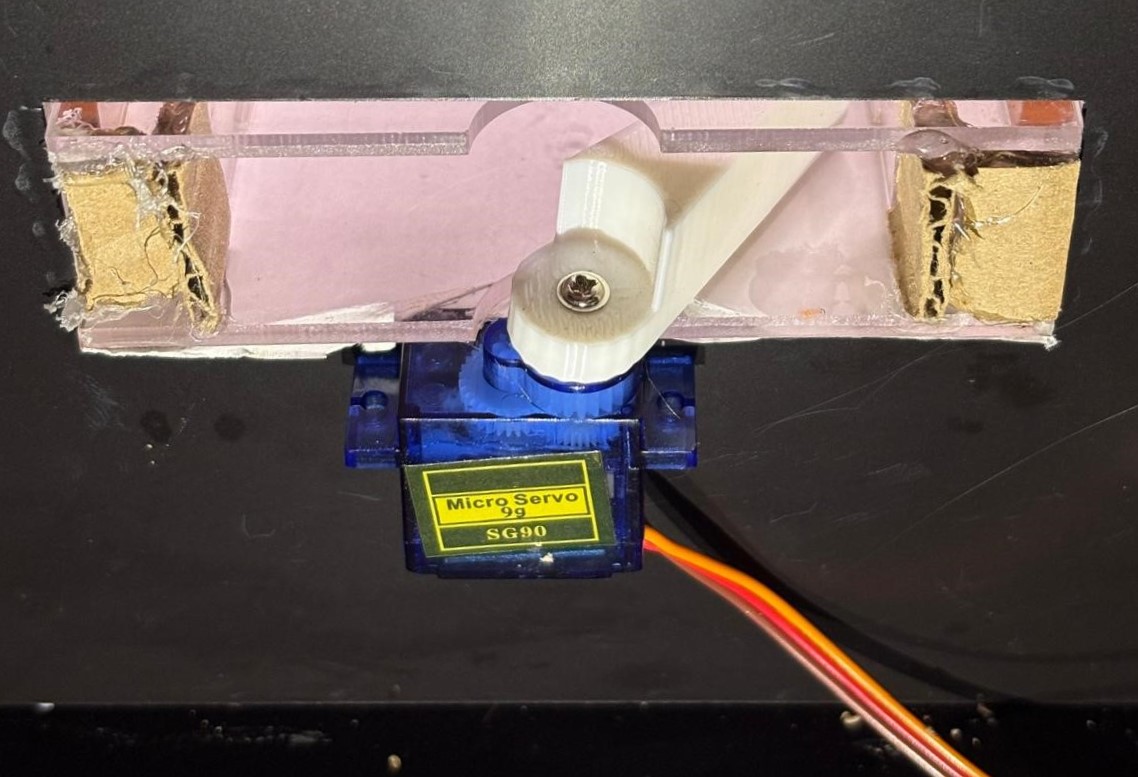
摘要: The global demand for sustainable protein sources is driving increasing interest in edible insects, with Acheta domesticus (house cricket) identified as one of the most suitable species for industrial production. Current farming practices typically rear crickets in mixed-sex populations without automated sex sorting, despite potential benefits such as selective breeding, optimized reproduction ratios, and nutritional differentiation. This work presents a low-cost, real-time system for automated sex-based sorting of Acheta domesticus, combining computer vision and physical actuation. The device integrates a Raspberry Pi 5 with the official Raspberry AI Camera and a custom YOLOv8 nano object detection model, together with a servo-actuated sorting arm. The model reached a mean Average Precision at IoU 0.5 (mAP@0.5) of 0.977 during testing, and real-world experiments with groups of crickets achieved an overall sorting accuracy of 86.8%. These results demonstrate the feasibility of deploying lightweight deep learning models on resource-constrained devices for insect farming applications, offering a practical solution to improve efficiency and sustainability in cricket production.