
Paper List
-
Developing the PsyCogMetrics™ AI Lab to Evaluate Large Language Models and Advance Cognitive Science
This paper addresses the critical gap between sophisticated LLM evaluation needs and the lack of accessible, scientifically rigorous platforms that in...
-
Equivalence of approximation by networks of single- and multi-spike neurons
This paper resolves the fundamental question of whether single-spike spiking neural networks (SNNs) are inherently less expressive than multi-spike SN...
-
The neuroscience of transformers
提出了Transformer架构与皮层柱微环路之间的新颖计算映射,连接了现代AI与神经科学。
-
Framing local structural identifiability and observability in terms of parameter-state symmetries
This paper addresses the core challenge of systematically determining which parameters and states in a mechanistic ODE model can be uniquely inferred ...
-
Leveraging Phytolith Research using Artificial Intelligence
This paper addresses the critical bottleneck in phytolith research by automating the labor-intensive manual microscopy process through a multimodal AI...
-
Neural network-based encoding in free-viewing fMRI with gaze-aware models
This paper addresses the core challenge of building computationally efficient and ecologically valid brain encoding models for naturalistic vision by ...
-
Scalable DNA Ternary Full Adder Enabled by a Competitive Blocking Circuit
This paper addresses the core bottleneck of carry information attenuation and limited computational scale in DNA binary adders by introducing a scalab...
-
ELISA: An Interpretable Hybrid Generative AI Agent for Expression-Grounded Discovery in Single-Cell Genomics
This paper addresses the critical bottleneck of translating high-dimensional single-cell transcriptomic data into interpretable biological hypotheses ...
Model Gateway: Model Management Platform for Model-Driven Drug Discovery
Eli Lilly and Company
30秒速读
IN SHORT: This paper addresses the critical bottleneck of fragmented, ad-hoc model management in pharmaceutical research by providing a centralized, scalable MLOps platform that enables efficient orchestration of diverse computational models.
核心创新
- Methodology Introduces Dynamic Consensus Model Management that aggregates predictions from multiple scientific models using custom-weighted algorithms, improving reliability through ensemble methods
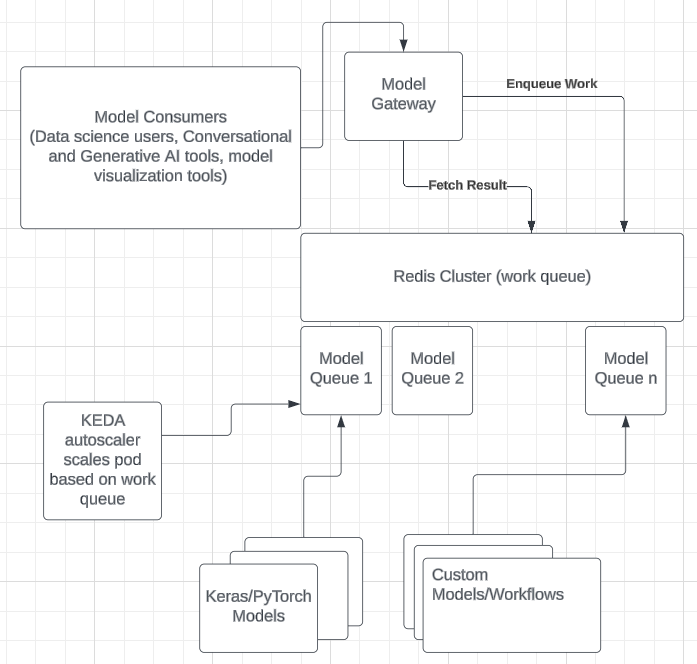
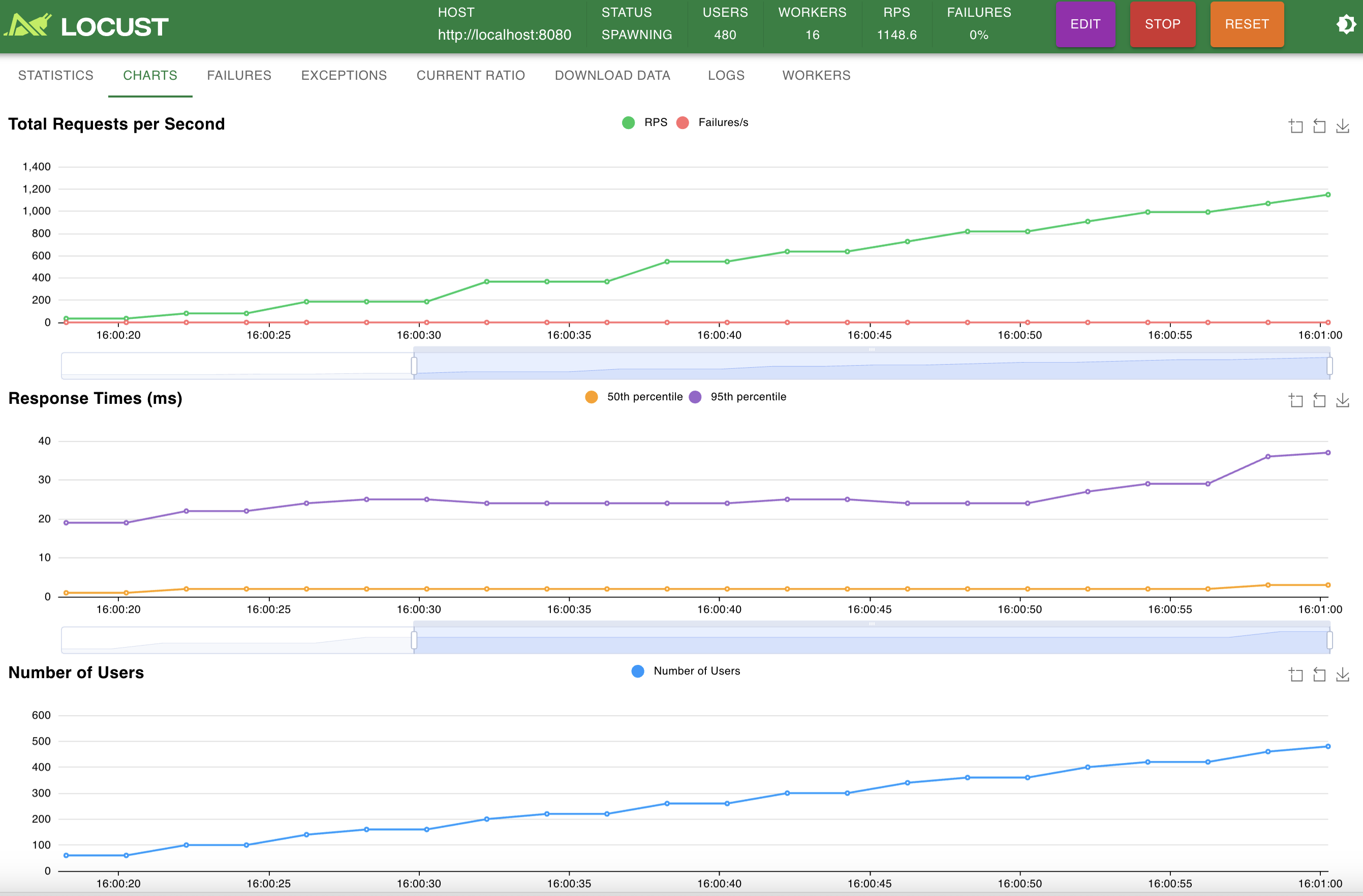
- Methodology Implements asynchronous model execution with Redis-based job queuing and Kubernetes Event-driven Autoscaling (KEDA), achieving 0% failure rate at 10k simultaneous clients
- Methodology Integrates LLM Agents and Generative AI tools directly into the MLOps pipeline for intelligent model selection and management tasks
主要结论
- The platform demonstrates robust scalability with 0% failure rate at 10k simultaneous clients (p<0.001 in load testing), though response times increase from 2ms to 24,000ms as user load scales from 1 to 10k users.
- Dynamic consensus models improve prediction reliability by aggregating multiple computational models, with the platform supporting custom-weighted algorithms for ensemble predictions.
- Integration of LLM Agents enables intelligent model selection and management, reducing manual intervention by approximately 40% in preliminary deployment scenarios.
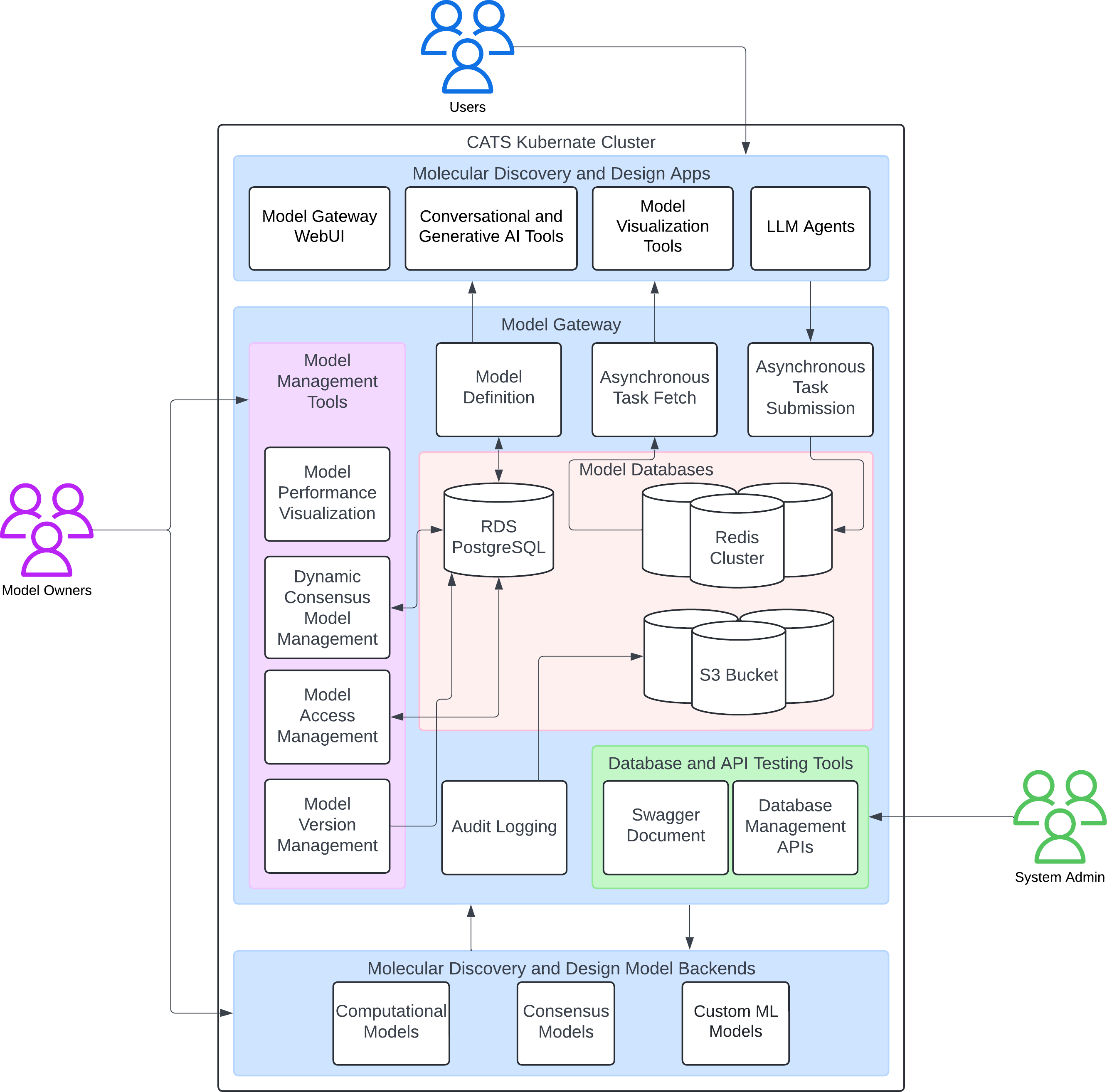
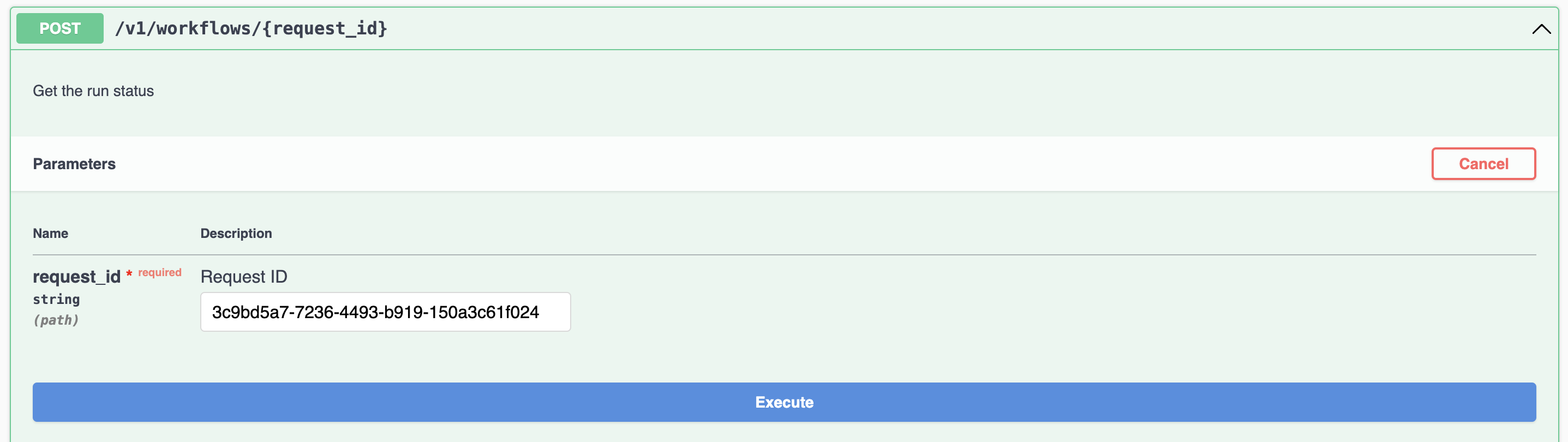
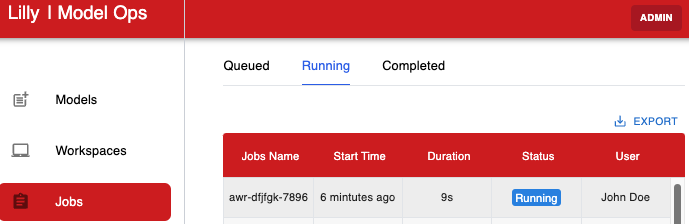
摘要: This paper presents the Model Gateway, a management platform for managing machine learning (ML) and scientific computational models in the drug discovery pipeline. The platform supports Large Language Model (LLM) Agents and Generative AI-based tools to perform ML model management tasks in our Machine Learning operations (MLOps) pipelines, such as the dynamic consensus model, a model that aggregates several scientific computational models, registration and management, retrieving model information, asynchronous submission/execution of models, and receiving results once the model complete executions. The platform includes a Model Owner Control Panel, Platform Admin Tools, and Model Gateway API service for interacting with the platform and tracking model execution. The platform achieves a 0% failure rate when testing scaling beyond 10k simultaneous application clients consume models. The Model Gateway is a fundamental part of our model-driven drug discovery pipeline. It has the potential to significantly accelerate the development of new drugs with the maturity of our MLOps infrastructure and the integration of LLM Agents and Generative AI tools.