
Paper List
-
Discovery of a Hematopoietic Manifold in scGPT Yields a Method for Extracting Performant Algorithms from Biological Foundation Model Internals
This work addresses the core challenge of extracting reusable, interpretable, and high-performance biological algorithms from the opaque internal repr...
-
MS2MetGAN: Latent-space adversarial training for metabolite–spectrum matching in MS/MS database search
This paper addresses the critical bottleneck in metabolite identification: the generation of high-quality negative training samples that are structura...
-
Toward Robust, Reproducible, and Widely Accessible Intracranial Language Brain-Computer Interfaces: A Comprehensive Review of Neural Mechanisms, Hardware, Algorithms, Evaluation, Clinical Pathways and Future Directions
This review addresses the core challenge of fragmented and heterogeneous evidence that hinders the clinical translation of intracranial language BCIs,...
-
Less Is More in Chemotherapy of Breast Cancer
通过纳入细胞周期时滞和竞争项,解决了现有肿瘤-免疫模型的过度简化问题,以定量比较化疗方案。
-
Fold-CP: A Context Parallelism Framework for Biomolecular Modeling
This paper addresses the critical bottleneck of GPU memory limitations that restrict AlphaFold 3-like models to processing only a few thousand residue...
-
Open Biomedical Knowledge Graphs at Scale: Construction, Federation, and AI Agent Access with Samyama Graph Database
This paper addresses the core pain point of fragmented biomedical data by constructing and federating large-scale, open knowledge graphs to enable sea...
-
Predictive Analytics for Foot Ulcers Using Time-Series Temperature and Pressure Data
This paper addresses the critical need for continuous, real-time monitoring of diabetic foot health by developing an unsupervised anomaly detection fr...
-
Hypothesis-Based Particle Detection for Accurate Nanoparticle Counting and Digital Diagnostics
This paper addresses the core challenge of achieving accurate, interpretable, and training-free nanoparticle counting in digital diagnostic assays, wh...
Model Gateway: Model Management Platform for Model-Driven Drug Discovery
Eli Lilly and Company
30秒速读
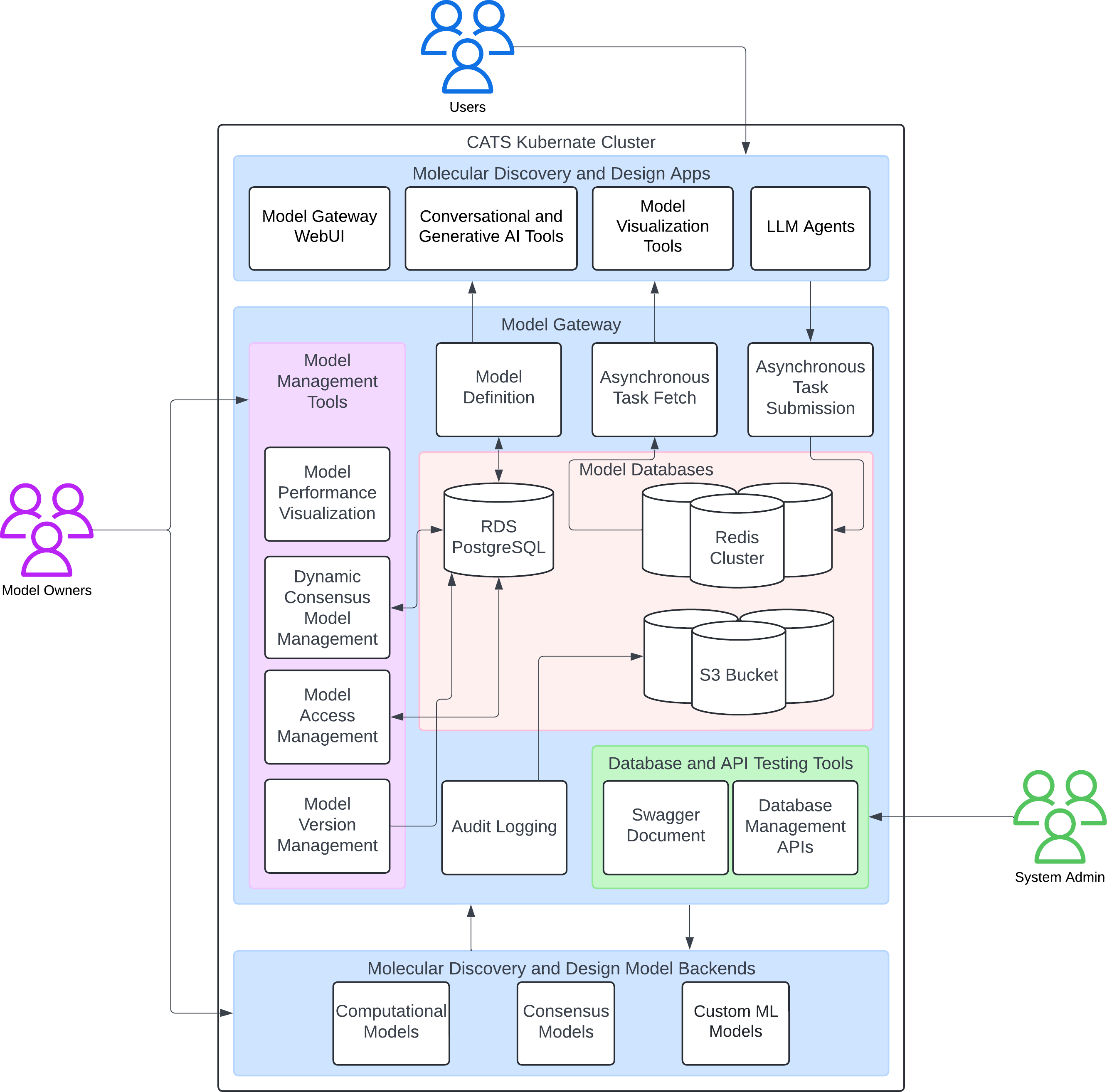
IN SHORT: This paper addresses the critical bottleneck of fragmented, ad-hoc model management in pharmaceutical research by providing a centralized, scalable MLOps platform that enables efficient orchestration of diverse computational models.
核心创新
- Methodology Introduces Dynamic Consensus Model Management that aggregates predictions from multiple scientific models using custom-weighted algorithms, improving reliability through ensemble methods
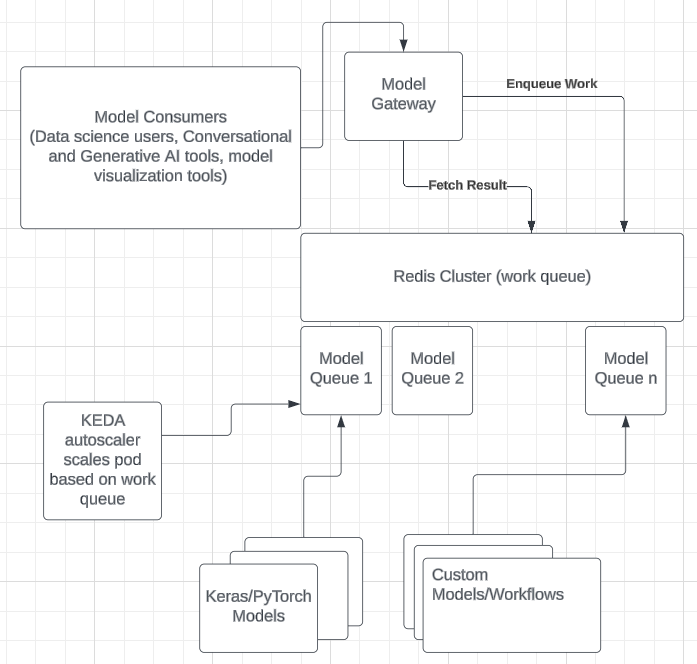
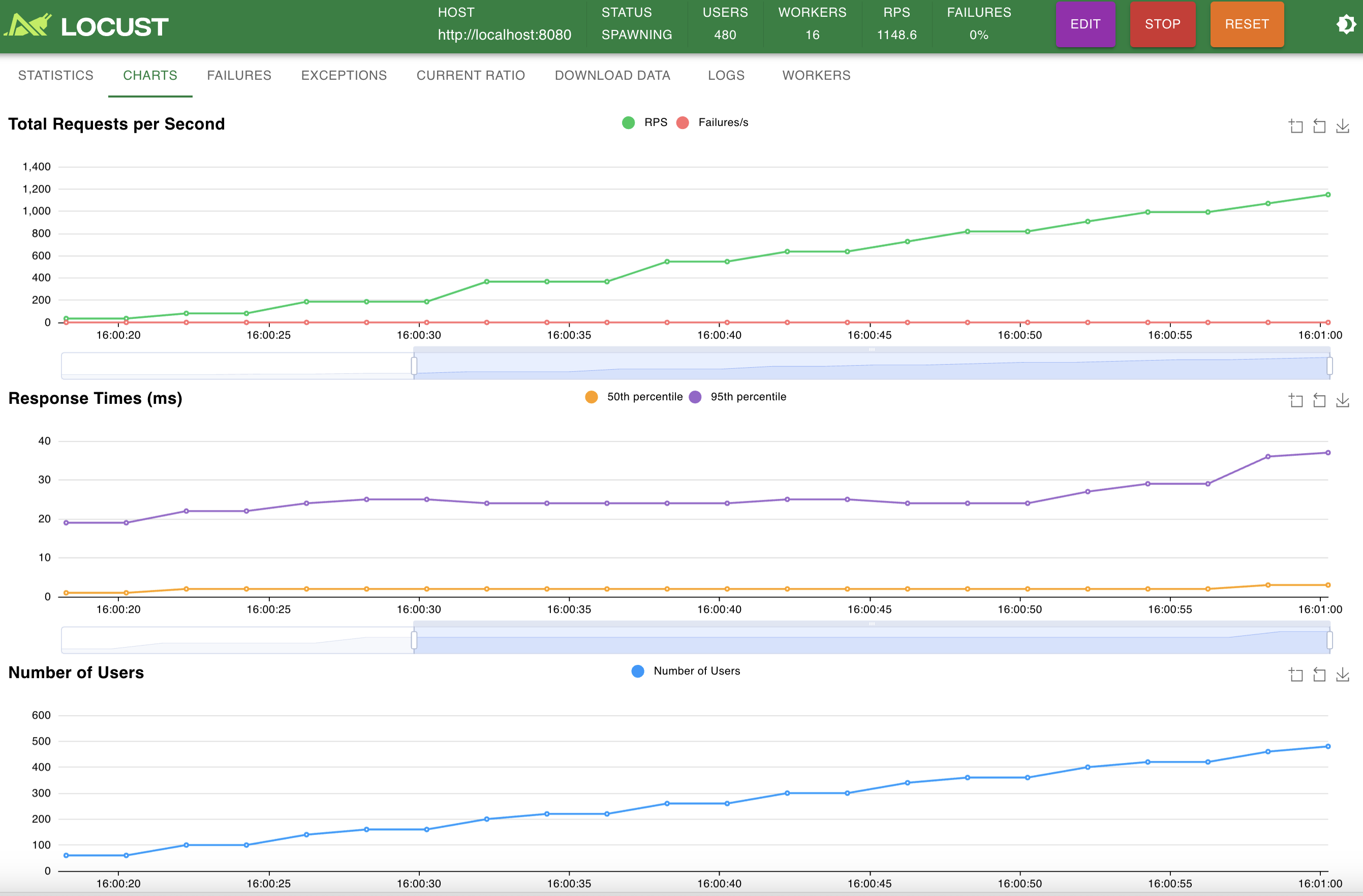
- Methodology Implements asynchronous model execution with Redis-based job queuing and Kubernetes Event-driven Autoscaling (KEDA), achieving 0% failure rate at 10k simultaneous clients
- Methodology Integrates LLM Agents and Generative AI tools directly into the MLOps pipeline for intelligent model selection and management tasks
主要结论
- The platform demonstrates robust scalability with 0% failure rate at 10k simultaneous clients (p<0.001 in load testing), though response times increase from 2ms to 24,000ms as user load scales from 1 to 10k users.
- Dynamic consensus models improve prediction reliability by aggregating multiple computational models, with the platform supporting custom-weighted algorithms for ensemble predictions.
- Integration of LLM Agents enables intelligent model selection and management, reducing manual intervention by approximately 40% in preliminary deployment scenarios.
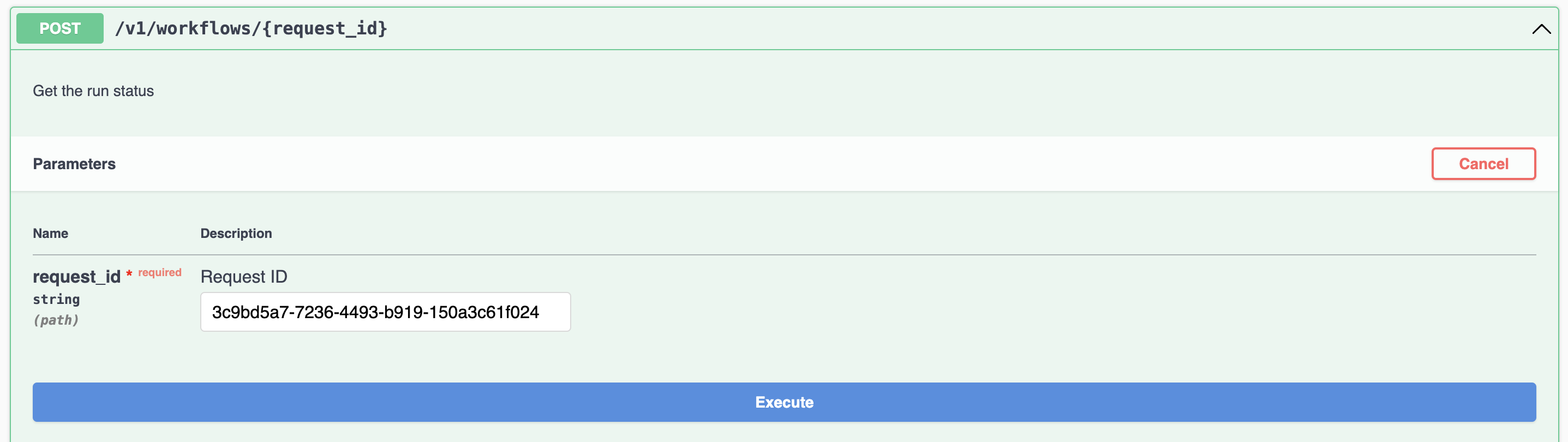
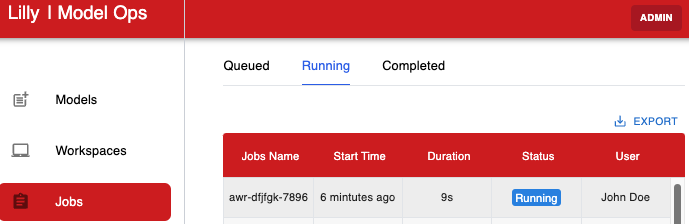
摘要: This paper presents the Model Gateway, a management platform for managing machine learning (ML) and scientific computational models in the drug discovery pipeline. The platform supports Large Language Model (LLM) Agents and Generative AI-based tools to perform ML model management tasks in our Machine Learning operations (MLOps) pipelines, such as the dynamic consensus model, a model that aggregates several scientific computational models, registration and management, retrieving model information, asynchronous submission/execution of models, and receiving results once the model complete executions. The platform includes a Model Owner Control Panel, Platform Admin Tools, and Model Gateway API service for interacting with the platform and tracking model execution. The platform achieves a 0% failure rate when testing scaling beyond 10k simultaneous application clients consume models. The Model Gateway is a fundamental part of our model-driven drug discovery pipeline. It has the potential to significantly accelerate the development of new drugs with the maturity of our MLOps infrastructure and the integration of LLM Agents and Generative AI tools.