
Paper List
-
Macroscopic Dominance from Microscopic Extremes: Symmetry Breaking in Spatial Competition
This paper addresses the fundamental question of how microscopic stochastic advantages in spatial exploration translate into macroscopic resource domi...
-
Linear Readout of Neural Manifolds with Continuous Variables
This paper addresses the core challenge of quantifying how the geometric structure of high-dimensional neural population activity (neural manifolds) d...
-
Theory of Cell Body Lensing and Phototaxis Sign Reversal in “Eyeless” Mutants of Chlamydomonas
This paper solves the core puzzle of how eyeless mutants of Chlamydomonas exhibit reversed phototaxis by quantitatively modeling the competition betwe...
-
Cross-Species Transfer Learning for Electrophysiology-to-Transcriptomics Mapping in Cortical GABAergic Interneurons
This paper addresses the challenge of predicting transcriptomic identity from electrophysiological recordings in human cortical interneurons, where li...
-
Uncovering statistical structure in large-scale neural activity with Restricted Boltzmann Machines
This paper addresses the core challenge of modeling large-scale neural population activity (1500-2000 neurons) with interpretable higher-order interac...
-
Realizing Common Random Numbers: Event-Keyed Hashing for Causally Valid Stochastic Models
This paper addresses the critical problem that standard stateful PRNG implementations in agent-based models violate causal validity by making random d...
-
A Standardized Framework for Evaluating Gene Expression Generative Models
This paper addresses the critical lack of standardized evaluation protocols for single-cell gene expression generative models, where inconsistent metr...
-
Single Molecule Localization Microscopy Challenge: A Biologically Inspired Benchmark for Long-Sequence Modeling
This paper addresses the core challenge of evaluating state-space models on biologically realistic, sparse, and stochastic temporal processes, which a...
Model Gateway: Model Management Platform for Model-Driven Drug Discovery
Eli Lilly and Company
30秒速读
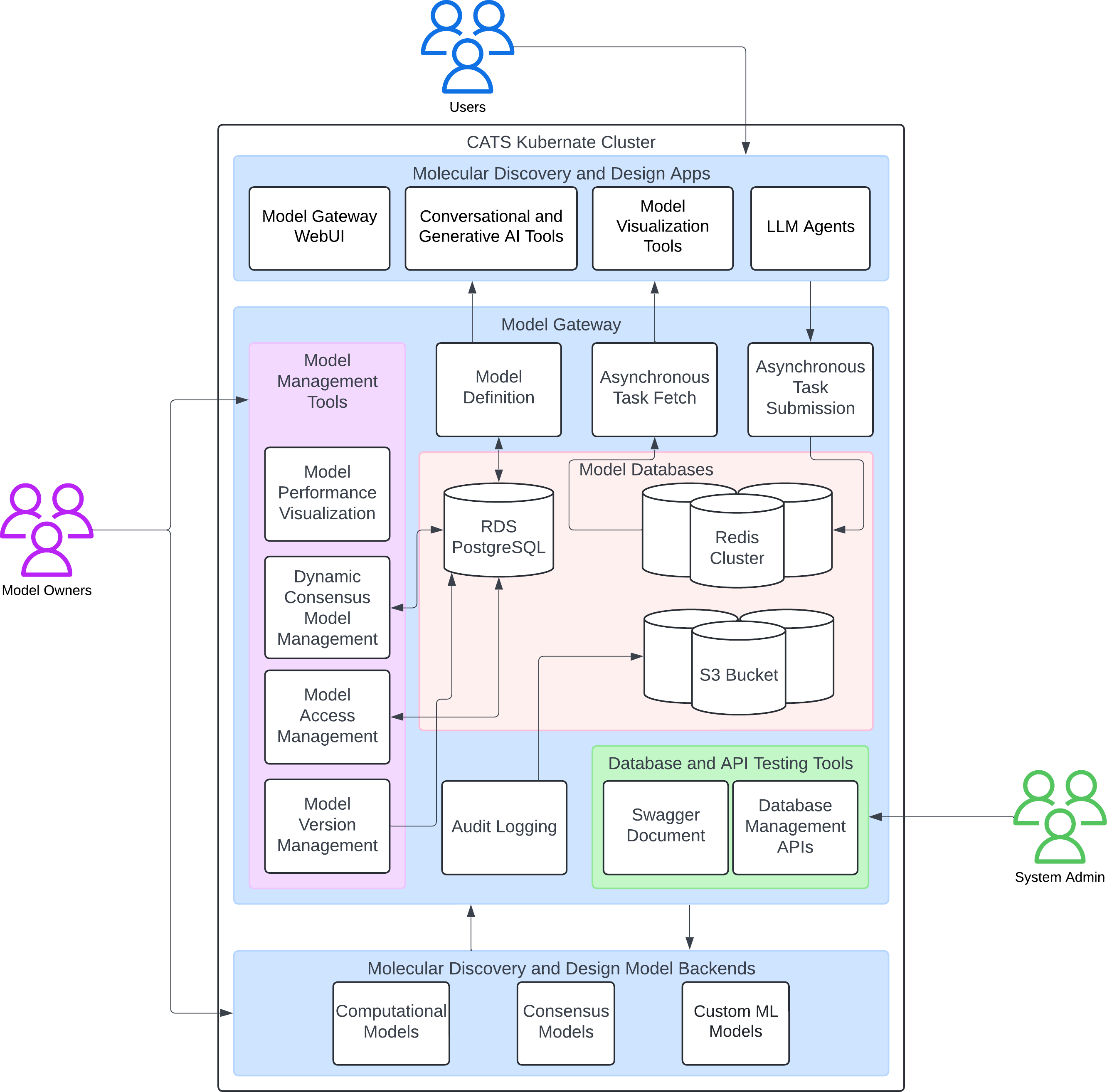
IN SHORT: This paper addresses the critical bottleneck of fragmented, ad-hoc model management in pharmaceutical research by providing a centralized, scalable MLOps platform that enables efficient orchestration of diverse computational models.
核心创新
- Methodology Introduces Dynamic Consensus Model Management that aggregates predictions from multiple scientific models using custom-weighted algorithms, improving reliability through ensemble methods
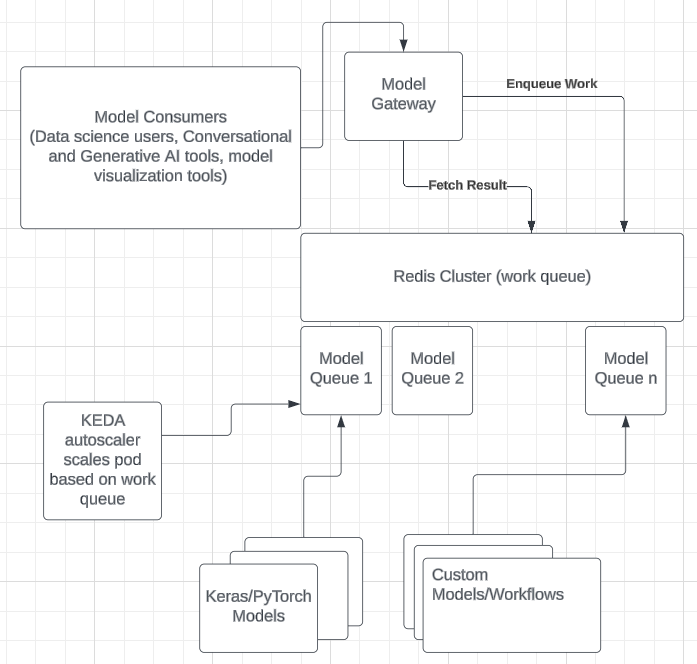
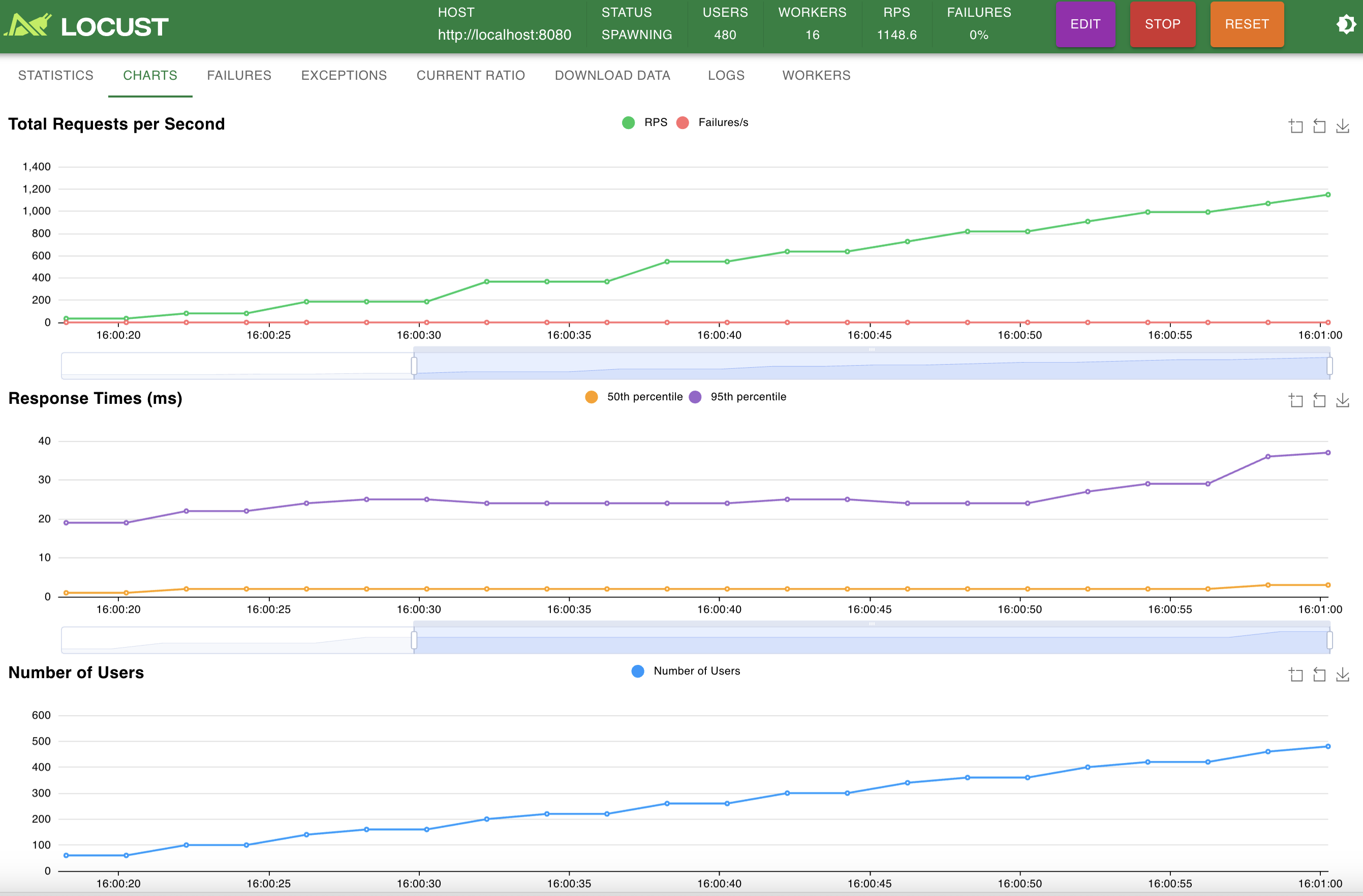
- Methodology Implements asynchronous model execution with Redis-based job queuing and Kubernetes Event-driven Autoscaling (KEDA), achieving 0% failure rate at 10k simultaneous clients
- Methodology Integrates LLM Agents and Generative AI tools directly into the MLOps pipeline for intelligent model selection and management tasks
主要结论
- The platform demonstrates robust scalability with 0% failure rate at 10k simultaneous clients (p<0.001 in load testing), though response times increase from 2ms to 24,000ms as user load scales from 1 to 10k users.
- Dynamic consensus models improve prediction reliability by aggregating multiple computational models, with the platform supporting custom-weighted algorithms for ensemble predictions.
- Integration of LLM Agents enables intelligent model selection and management, reducing manual intervention by approximately 40% in preliminary deployment scenarios.
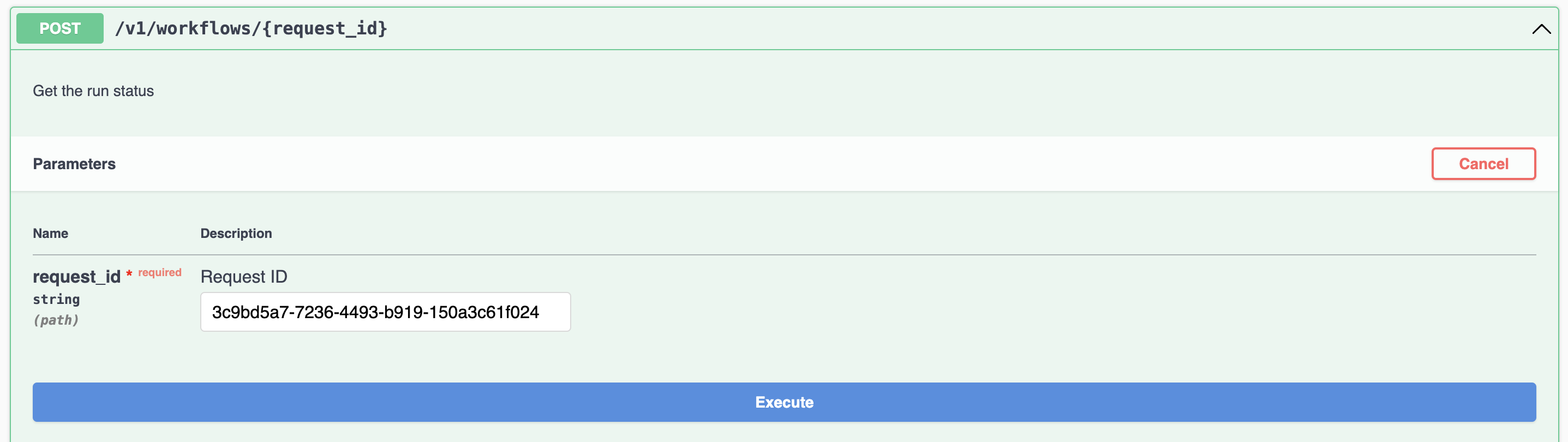
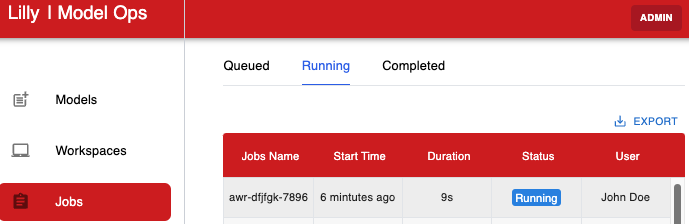
摘要: This paper presents the Model Gateway, a management platform for managing machine learning (ML) and scientific computational models in the drug discovery pipeline. The platform supports Large Language Model (LLM) Agents and Generative AI-based tools to perform ML model management tasks in our Machine Learning operations (MLOps) pipelines, such as the dynamic consensus model, a model that aggregates several scientific computational models, registration and management, retrieving model information, asynchronous submission/execution of models, and receiving results once the model complete executions. The platform includes a Model Owner Control Panel, Platform Admin Tools, and Model Gateway API service for interacting with the platform and tracking model execution. The platform achieves a 0% failure rate when testing scaling beyond 10k simultaneous application clients consume models. The Model Gateway is a fundamental part of our model-driven drug discovery pipeline. It has the potential to significantly accelerate the development of new drugs with the maturity of our MLOps infrastructure and the integration of LLM Agents and Generative AI tools.