
Paper List
-
Mapping of Lesion Images to Somatic Mutations
This paper addresses the critical bottleneck of delayed genetic analysis in cancer diagnosis by predicting a patient's full somatic mutation profile d...
-
Reinventing Clinical Dialogue: Agentic Paradigms for LLM‑Enabled Healthcare Communication
This paper addresses the core challenge of transforming reactive, stateless LLMs into autonomous, reliable clinical dialogue agents capable of longitu...
-
Binary Latent Protein Fitness Landscapes for Quantum Annealing Optimization
通过将序列映射到二元潜在空间进行基于QUBO的适应度优化,桥接蛋白质表示学习和组合优化。
-
Controlling Fish Schools via Reinforcement Learning of Virtual Fish Movement
证明了无模型强化学习可以利用虚拟视觉刺激有效引导鱼群,克服了缺乏精确行为模型的问题。
Human-Centred Evaluation of Text-to-Image Generation Models for Self-expression of Mental Distress: A Dataset Based on GPT-4o
School of Culture and Communication, Swansea University, United Kingdom | Department of Informatics, University of Oslo, Norway
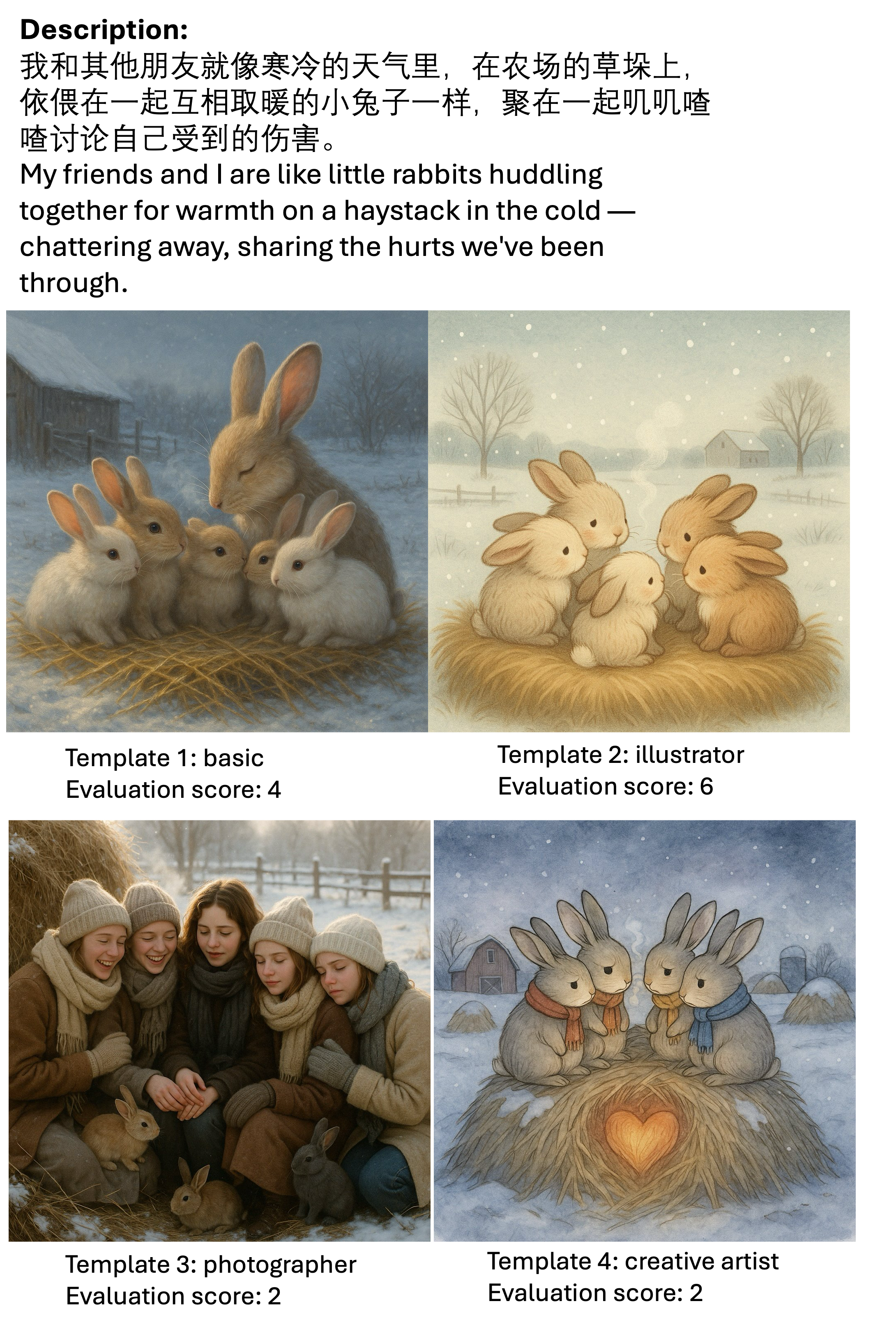
30秒速读
IN SHORT: This paper addresses the critical gap in evaluating how AI-generated images can effectively support cross-cultural mental distress communication, particularly for international students facing linguistic and cultural barriers.
核心创新
- Methodology Introduces the first publicly available text-to-image evaluation dataset with human judgment scores specifically for mental health communication, comprising 100 textual descriptions, 400 AI-generated images, and 400 categorical evaluation scores.
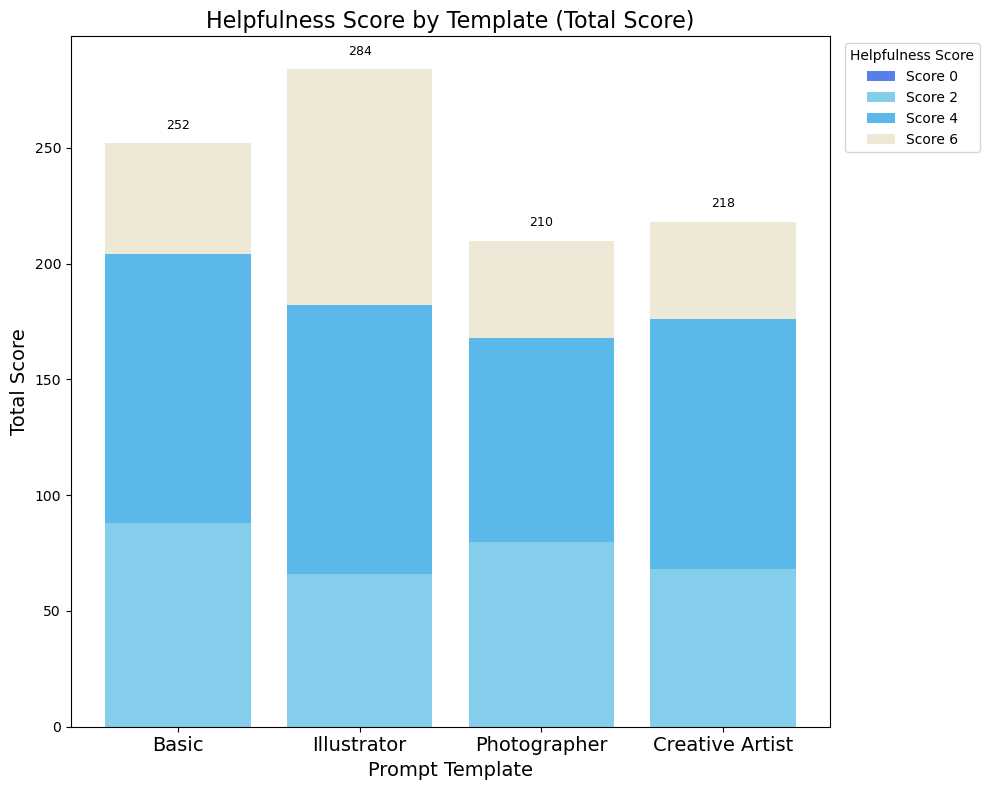
- Methodology Develops and evaluates four persona-based prompt templates (basic, illustrator, photographer, creative artist) rooted in contemporary counselling practices, with the illustrator persona achieving the highest total helpfulness score (284 out of possible 600).
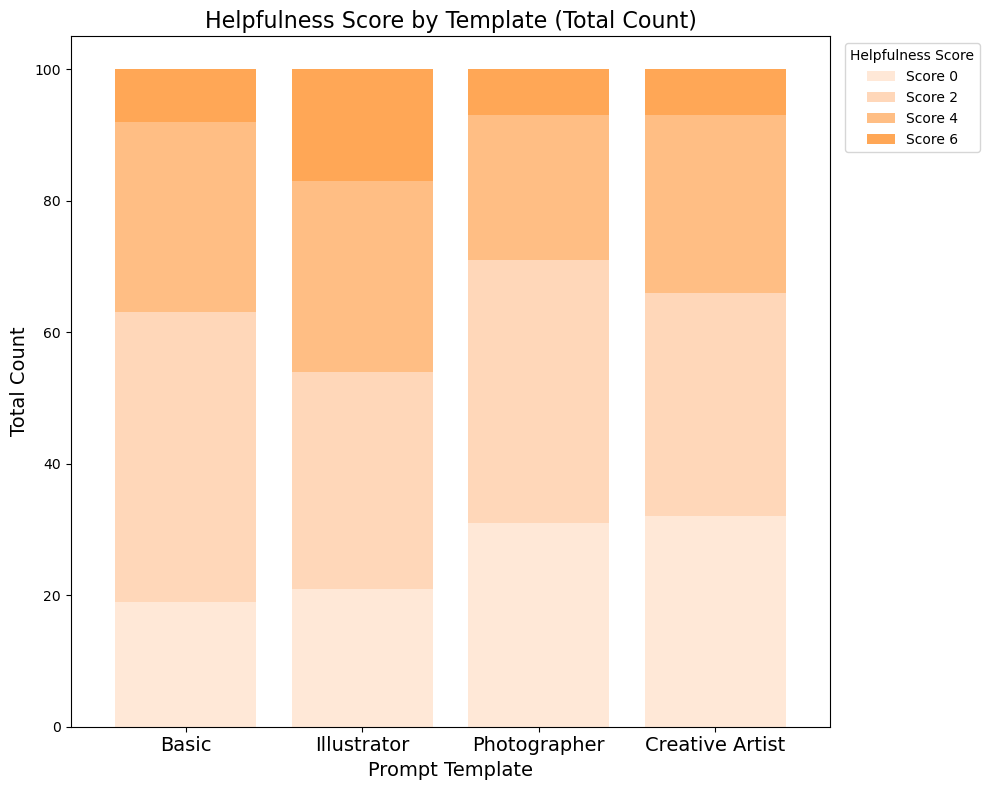
- Biology Demonstrates that AI-generated images can facilitate self-expression of mental distress, with 44% of images rated as 'slightly helpful' and 27% as 'helpful', achieving a mean helpfulness score of 2.4 on a 0-6 scale.
主要结论
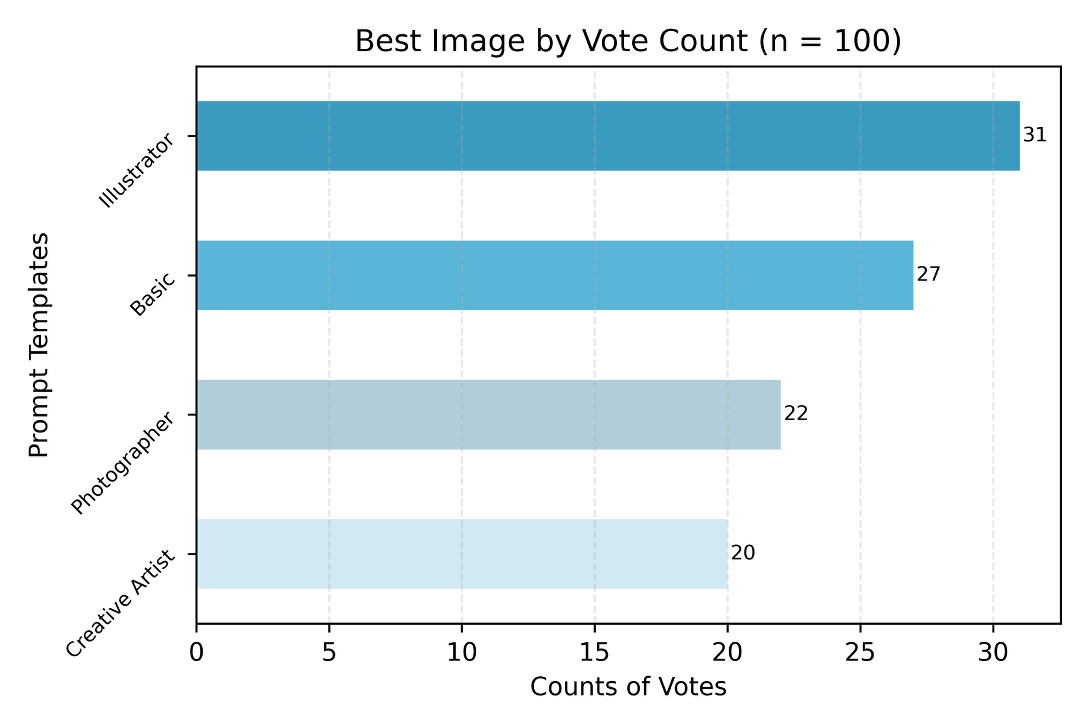
- The illustrator persona prompt achieved the highest total helpfulness score (284) and was selected as the 'best' image in 31% of cases, significantly outperforming other prompts (basic: 252, creative artist: 218, photographer: 210).
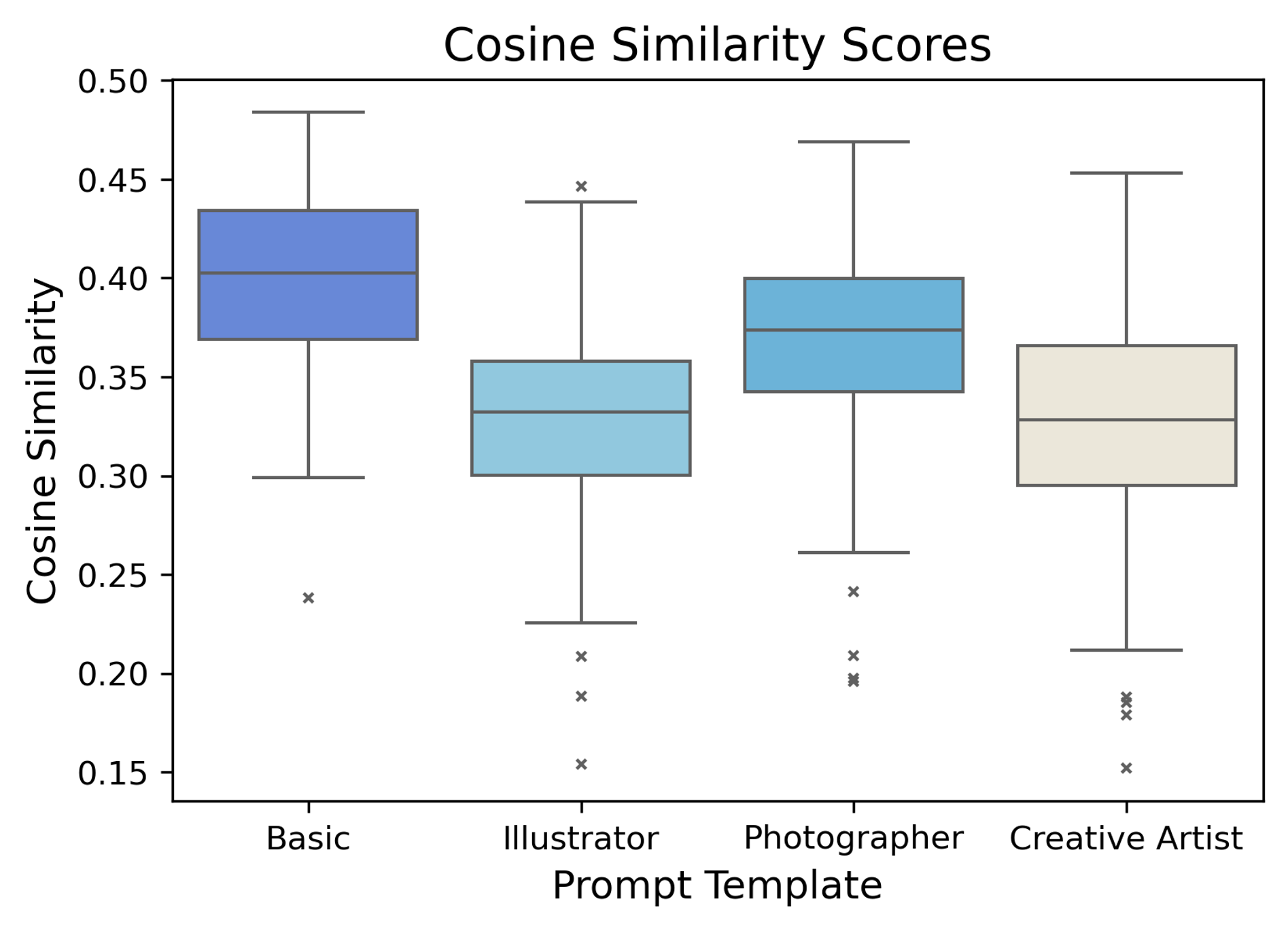
- Human evaluation shows minimal correlation with automatic semantic alignment metrics (Spearman's ρ=0.0271, Kendall's τ=0.0201), highlighting the need for emotion-aware evaluation frameworks beyond traditional similarity measures.
- AI-generated images demonstrated positive utility for mental distress expression, with 71% of images rated as at least 'slightly helpful' (score ≥2) and only 29% rated as 'not helpful' (score=0).
摘要: Effective communication is central to achieving positive healthcare outcomes in mental health contexts, yet international students often face linguistic and cultural barriers that hinder their communication of mental distress. In this study, we evaluate the effectiveness of AI-generated images in supporting self-expression of mental distress. To achieve this, twenty Chinese international students studying at UK universities were invited to describe their personal experiences of mental distress. These descriptions were elaborated using GPT-4o with four persona-based prompt templates rooted in contemporary counselling practice to generate corresponding images. Participants then evaluated the helpfulness of generated images in facilitating the expression of their feelings based on their original descriptions. The resulting dataset comprises 100 textual descriptions of mental distress, 400 generated images, and corresponding human evaluation scores. Findings indicate that prompt design substantially affects perceived helpfulness, with the illustrator persona achieving the highest ratings. This work introduces the first publicly available text-to-image evaluation dataset with human judgment scores in the mental health domain, offering valuable resources for image evaluation, reinforcement learning with human feedback, and multi-modal research on mental health communication.